A working floor has to endure a lot: wheels, sliding materials and daily use leave their marks. A corundum broadcast layer is one of the options to finish the surface of a new concrete floor more wear-resistant. Mastertop 450 is a well-known example of such a dry broadcast material.
Fresh concrete
Hard mineral grains
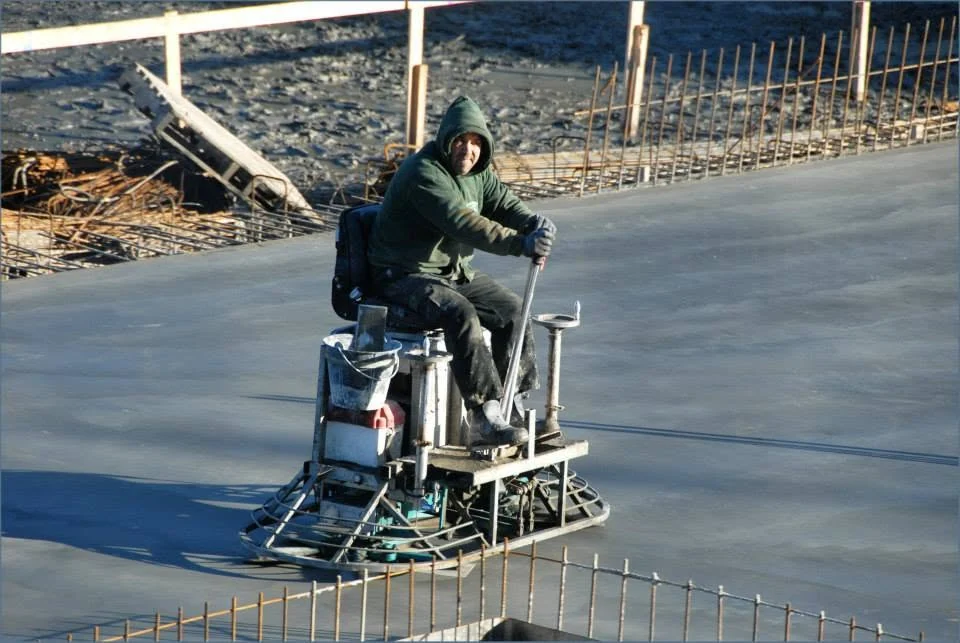
Dry-shake application and mechanical floating
What is Mastertop 450 with corundum?
Mastertop 450 is a pre-mixed, dry surface hardener with hard mineral aggregates and corundum. The material is spread over the fresh concrete and worked in during finishing. The intention is a wear-resistant top layer that is executed together with the concrete floor.
The aggregates form part of the surface finish. When choosing a commercial floor, the concrete slab, reinforcement, substrate and joints also remain important. Therefore, when requesting a quote, provide both the expected use and the plans: a good top layer starts with a suitable complete floor construction.
Mastertop 450 and the current product name
In the Belgian Sika documentation, the product is listed as Sikafloor SynTop-450, with the note “formerly MTop 450”. Anyone with an older specification mentioning Mastertop 450 can thus recognise the product name. For a new execution, use the current local datasheet and have the prescribed composition confirmed.
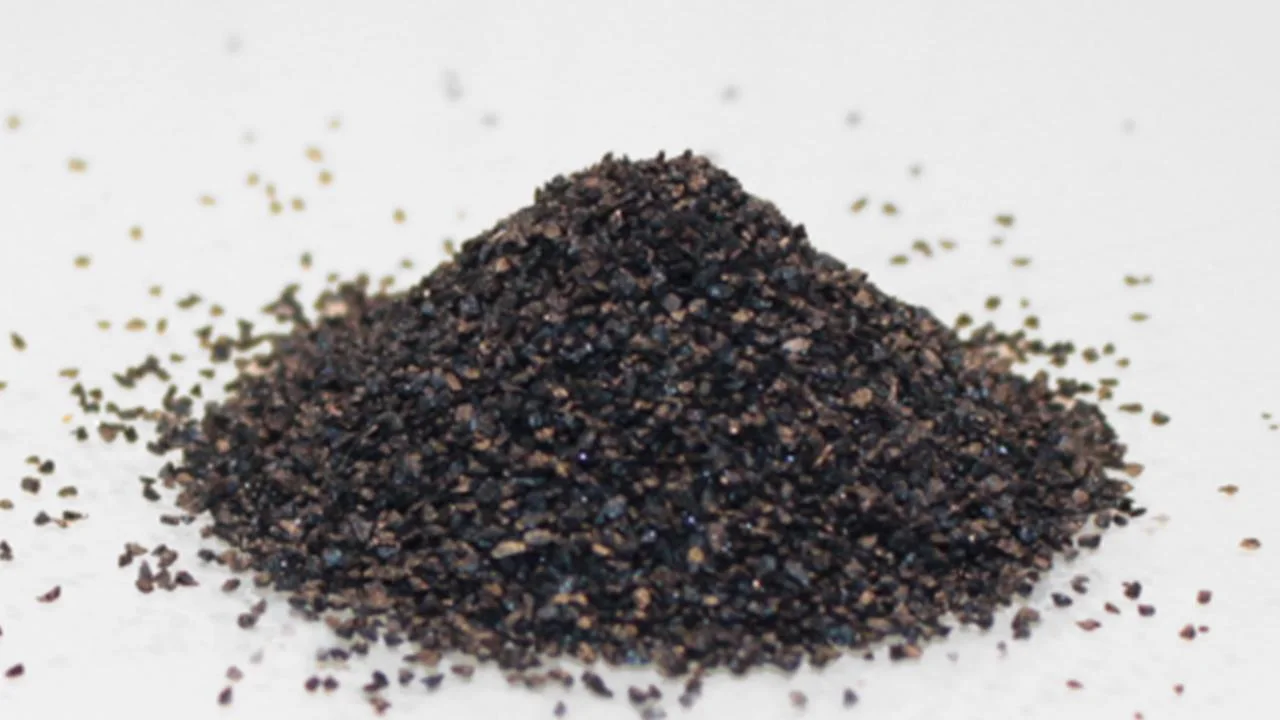
When discussing a broadcast layer, you not only consider the colour but also the specified material and application. The product data sheet determines the composition, processing and performance associated with the chosen product; these cannot be deduced from the aggregate photo.
For which floors is a corundum spreading layer intended?
The original Mastertop data sheet describes applications with heavy wear, such as workshops, garages, assembly halls, storage areas, traffic lanes in the steel industry and aircraft hangars. Printing houses and certain installations in the paper industry are also mentioned.
For your project, the actual use is especially important. What traffic passes over the floor? Where do vehicles turn? What loads are moved and where might materials fall onto the surface? With that information, we discuss the desired finish and the points the designer or product specialist must evaluate.
How is a dry broadcast material applied?
1. Placing concrete
The crew pours, compacts and brings the concrete to the specified level. Accessibility and supply are organised in advance.
2. Broadcasting
The dry material is evenly distributed at the right moment. The broadcast absorbs moisture from the fresh concrete and is power-trowelled in.
3. Finishing
Further machine passes, concrete curing and joints are part of the execution. The planning follows the behaviour of the concrete.
The original data sheet pays considerable attention to timing at walls, columns, pits and passages. Such zones may react differently than an open central area. Sun, wind and the condition of the concrete also influence the work rhythm. This makes a dry broadcast layer a finish that must be planned in advance with the concrete crew.
Also read how we preparing the site for concrete works and why curing after polishing Belongs to a proper execution.
How much broadcast material is needed?
The Belgian data sheet for SynTop-450 specifies 3 to 4,5 kg/m² for light to medium traffic and 5 to 6 kg/m² for medium to heavy traffic. These quantities correspond to this product. The choice for your floor is established based on the use, the specification and the regulations.
Wear resistance, protection and maintenance
The older product description lists various advantages, including wear resistance, rust resistance and easy cleaning. The same datasheet also mentions that the chemical resistance is limited. So the word “floor hardener” alone does not indicate whether a floor is suitable for the substances it will come into contact with.
Specify at a workplace which oils, cleaning agents or other products are used, and how spilled liquids are cleaned up. This allows assessment of whether the chosen finish is suitable or if additional protection is needed. More explanation can be found at Protecting concrete floors and cleaning a concrete floor.
What is the difference with a liquid concrete hardener?
A dry broadcast is incorporated into fresh concrete during execution. In the case of a liquid treatment, a product is applied to the surface according to the application conditions of that system. These two methods each have their own place in floor finishing. Therefore, first discuss whether it concerns a new floor or the treatment of existing concrete.
Read the explanation about Concrete hardener: operation and application. Other broadcast materials are discussed in Neodur HE2 and HE3.
Consult technical datasheets
- Mastertop 450: original technical datasheet from 14 February 2007 (PDF).
- Original Mastertop colour chart (PDF). The chart belongs to the original product documentation; confirm available colours and a suitable sample for a new application.
- Sikafloor SynTop-450: Belgian technical datasheet, September 2024 (PDF).
The data sheets have different issue dates. Bring values from an older specification to the consultation and check which product specification applies to the new contract.
Corundum broadcast layer for concrete: Mastertop 450