At LABIOMISTA, art, architecture and nature come together. Glansbeton carried out the polished concrete floors in this special project by Koen Vanmechelen in Genk.
LocationGenk
Executed by GlansbetonPolished concrete floors
The project
A place where material may remain visible
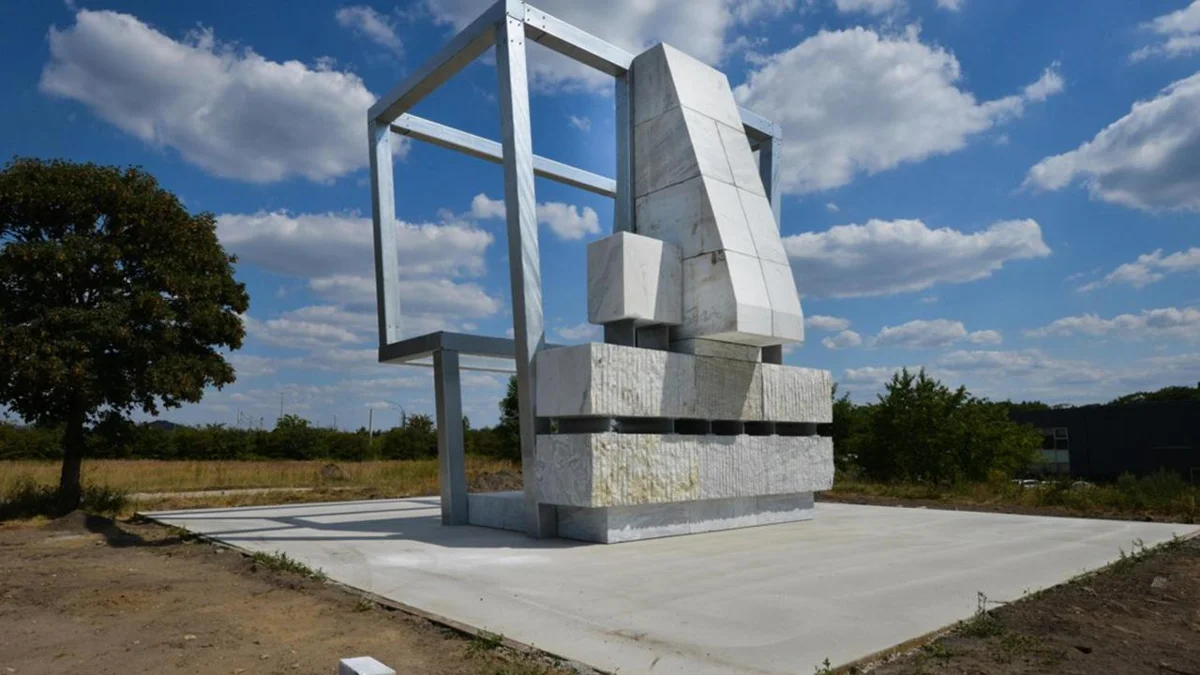
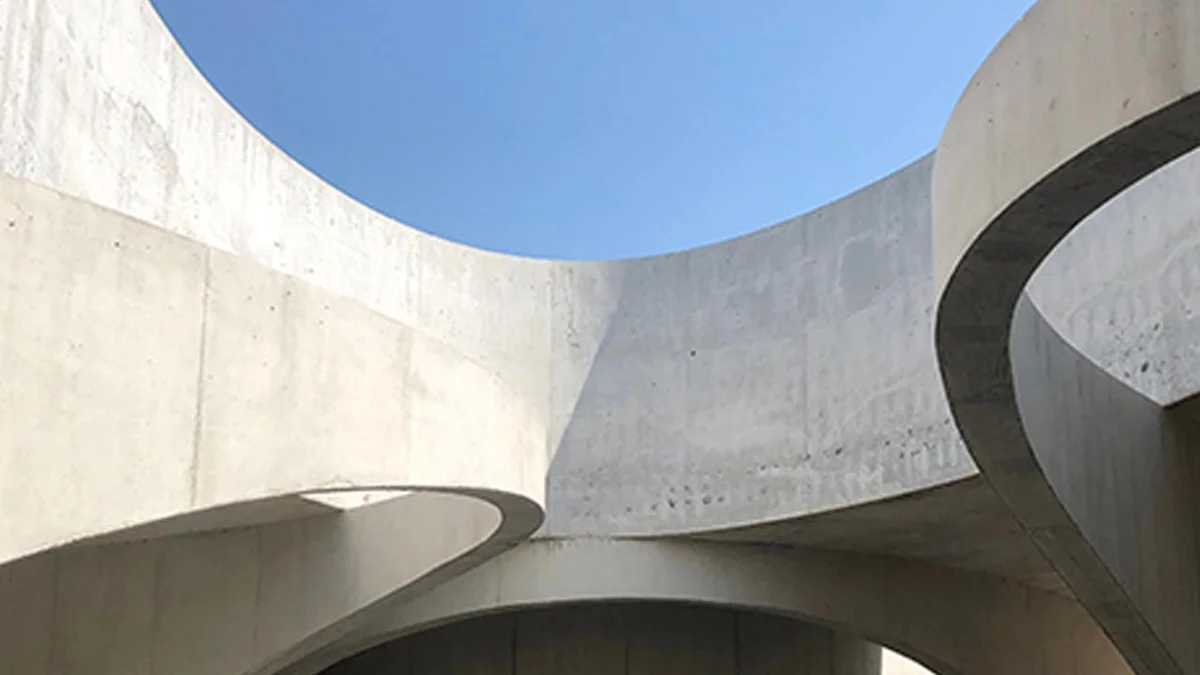
LABIOMISTA is located on the site of the former zoo of Zwartberg. The project by artist Koen Vanmechelen brings together, among other things, a park, a villa and a studio. The studio was designed by architect Mario Botta.
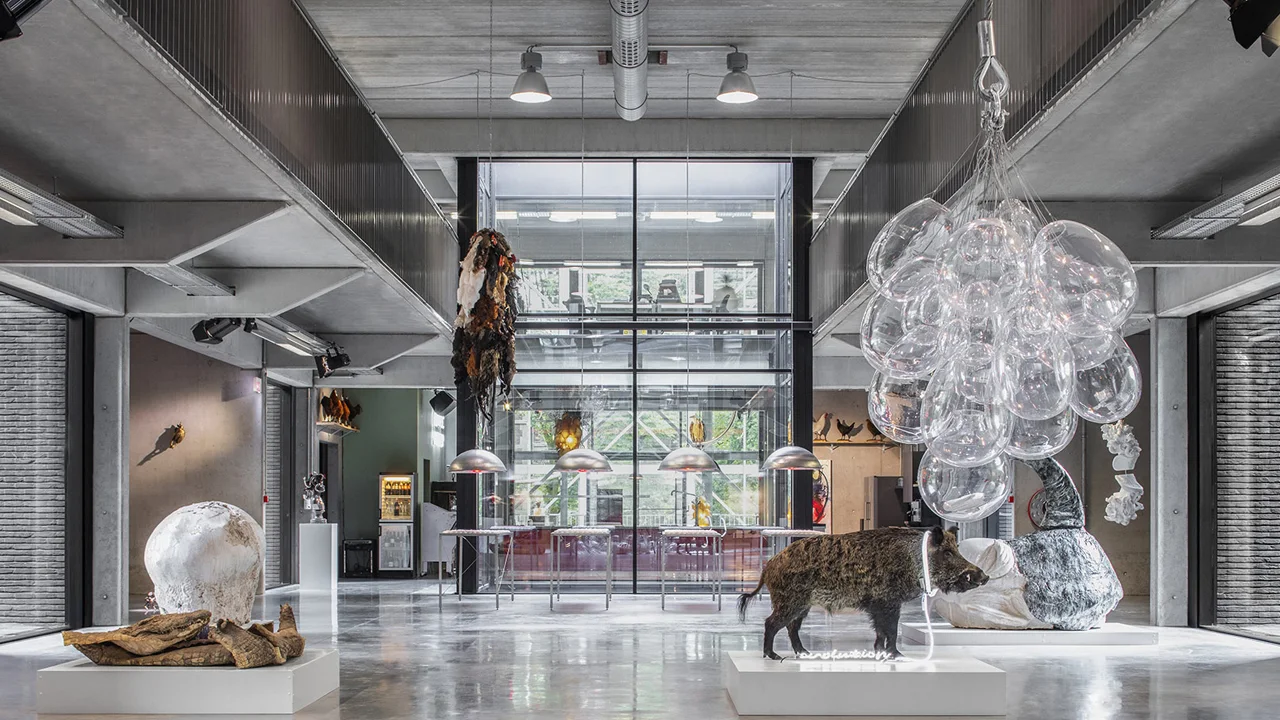
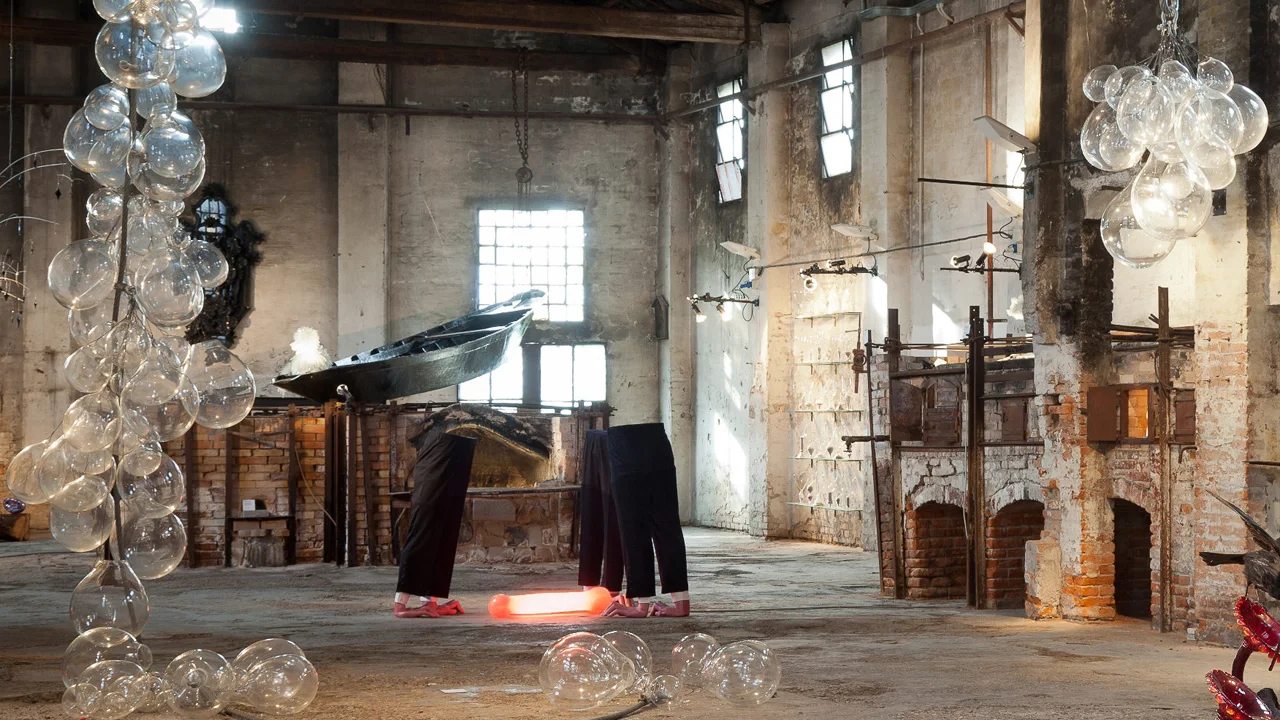
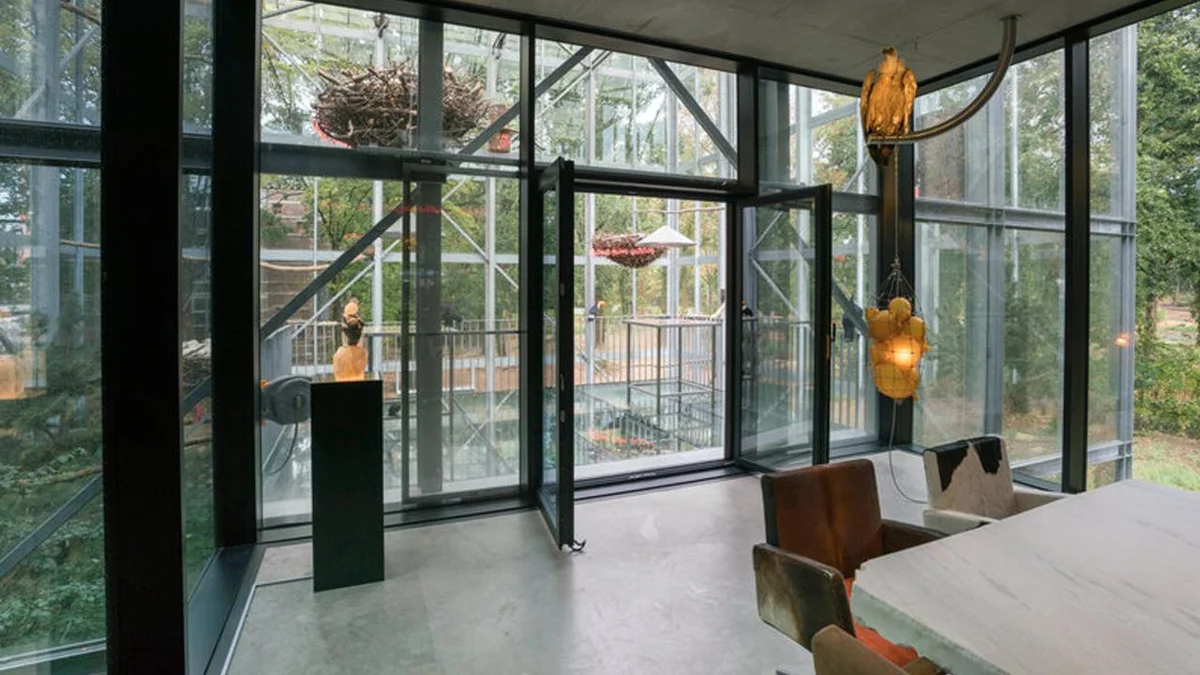
A polished concrete floor suits that direct interaction with materials. It forms a calm surface beneath diverse artworks and installations. In the project photos, you can see how the concrete relates to glass, steel, light and the objects in the space.
Experience in an environment with its own character
No two projects are the same. In an art environment, a floor has a different context than in a kitchen or living space. However, the attention to finishing and the connection to the building remains the same.
This is also what we want to show with our references: truly executed work, in various environments. Anyone considering a floor for their home can find inspiration here and then explore with us which residential concrete floor fits his own plans.
Also outside a special place
What is LABIOMISTA?
LABIOMISTA in Genk is conceived as a laboratory and a library of biocultural diversity. In 2017 Koen Vanmechelen moved his studio to LABIOMISTA, located in a former public zoo in the Belgian city of Genk. LABIOMISTA, literally 'mix of life', is in itself a comprehensive art project, set up as a model for philosophical ideas. The site is also the place where the artist's animals live and reproduce.
It is both a laboratory and a library of biocultural diversity. LABIOMISTA is located at the crossroads between city and countryside, industry and community. Koen Vanmechelen himself said that LABIOMISTA is a place that has both the physical and mental space needed to allow biological and cultural diversity to flourish. The location between the domesticated and the wild contributes to a new fertility of the neighbourhood, which in turn will spread to other parts of the city.
LABIOMISTA aims to show how different cultures can come into contact with each other and how humans, flora, and fauna can coexist in enriching ways that may have been forgotten. The site of 24 hectares was opened to the public on 6 July 2019. It consists of three parts: a villa, park, and studio. The park, villa, and studio each provide a different perspective on the relationship between humans, animals, and nature.
Who is artist Koen Vanmechelen?
Koen Vanmechelen (Sint-Truiden, 26 August 1965) is a contemporary Belgian conceptual artist. He began his career in the early nineties. Biocultural diversity is central to his work. Vanmechelen has also collaborated with scientists from various disciplines on this theme. These cross-disciplinary projects earned him an honorary doctorate from Hasselt University in 2010 and the Golden Nica Hybrid Art Prix Ars Electronica in 2013.
The Cosmopolitan Chicken Project
Koen Vanmechelen is known, among other things, for the Cosmopolitan Chicken Project, which he began in the late nineties. By crossbreeding chicken breeds from different countries, he explores themes such as identity, mixing and diversity. The project is both an artistic narrative and an opportunity to work with scientists.
The chicken and the egg often recur in his work. They are recognizable images with which he raises questions about origin, development, and the way living beings relate to their environment. That same interaction between different worlds also forms the background of LABIOMISTA.
Art and science in the same place
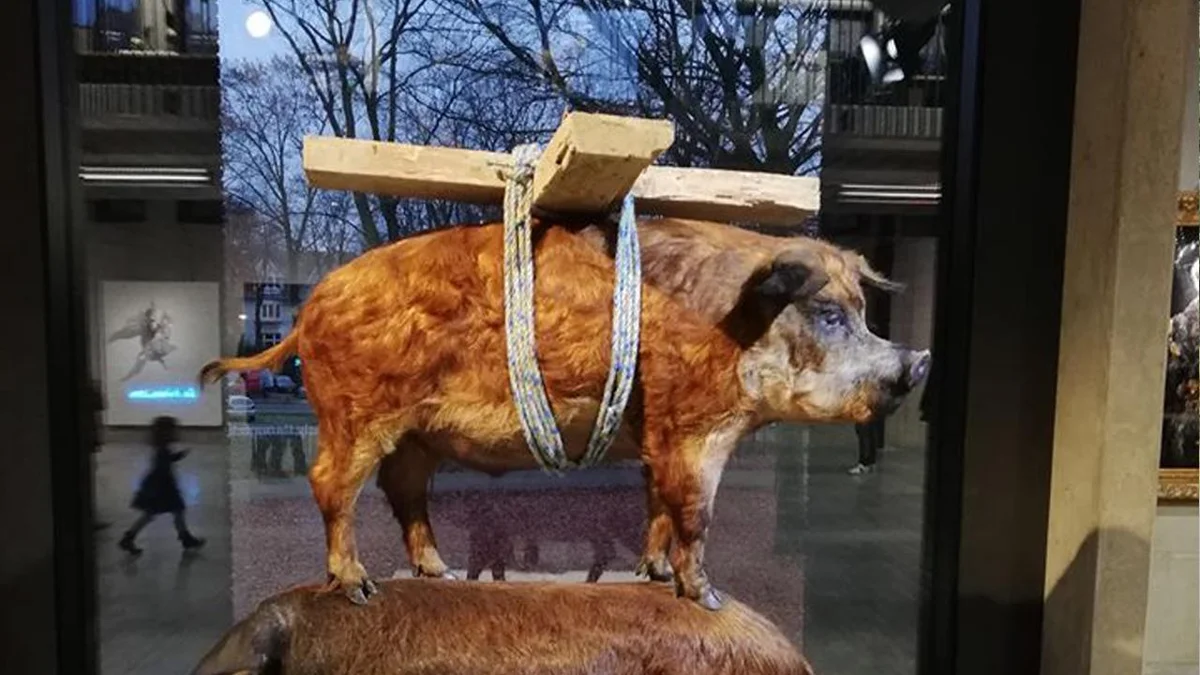
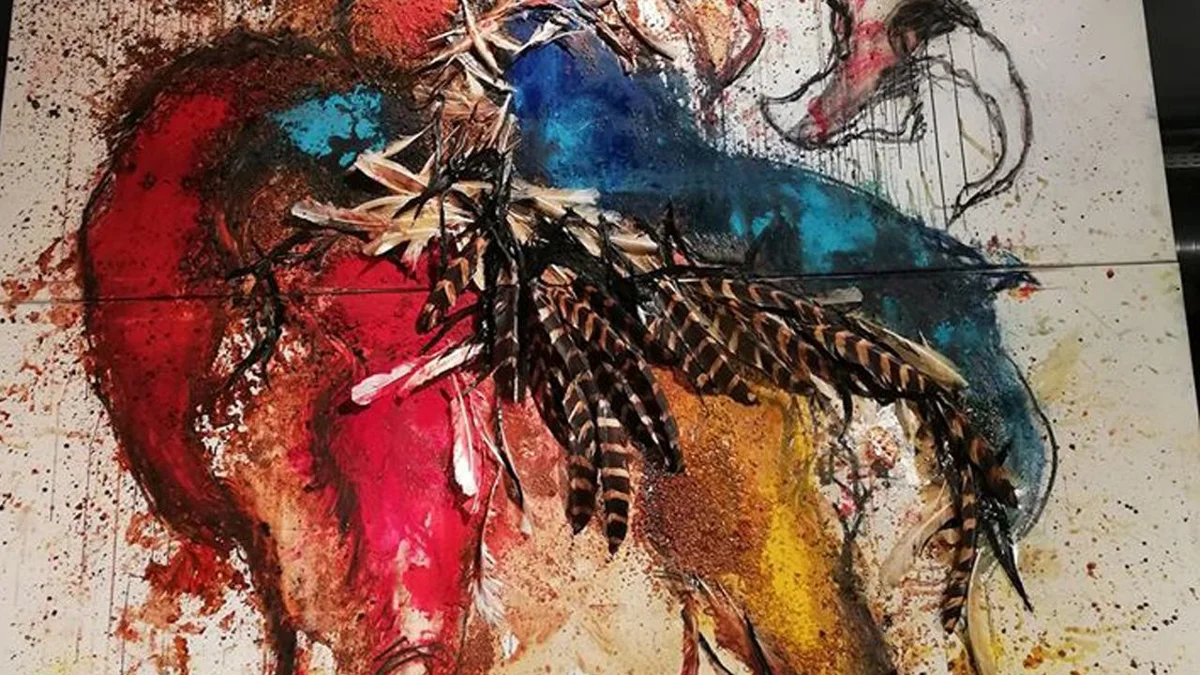
Biocultural diversity and the resulting interaction between art and science form the main theme of his work. Vanmechelen collaborated with scientists and experts from various disciplines, including Jean-Jacques Cassiman, Rik Pinxten and Marleen Temmerman. He uses innovative technology such as 3D scanning, morphometrics, 3D printing and interactive visualisation techniques. His work is cross-media and ranges from expressive paintings and drawings to photography, video, installations, glasswork and wooden sculptures.
The chicken and the egg often appear as a recurring theme. Over the years, these objects have grown into symbols that allow a connection to be made between scientific, political, philosophical and ethical issues.
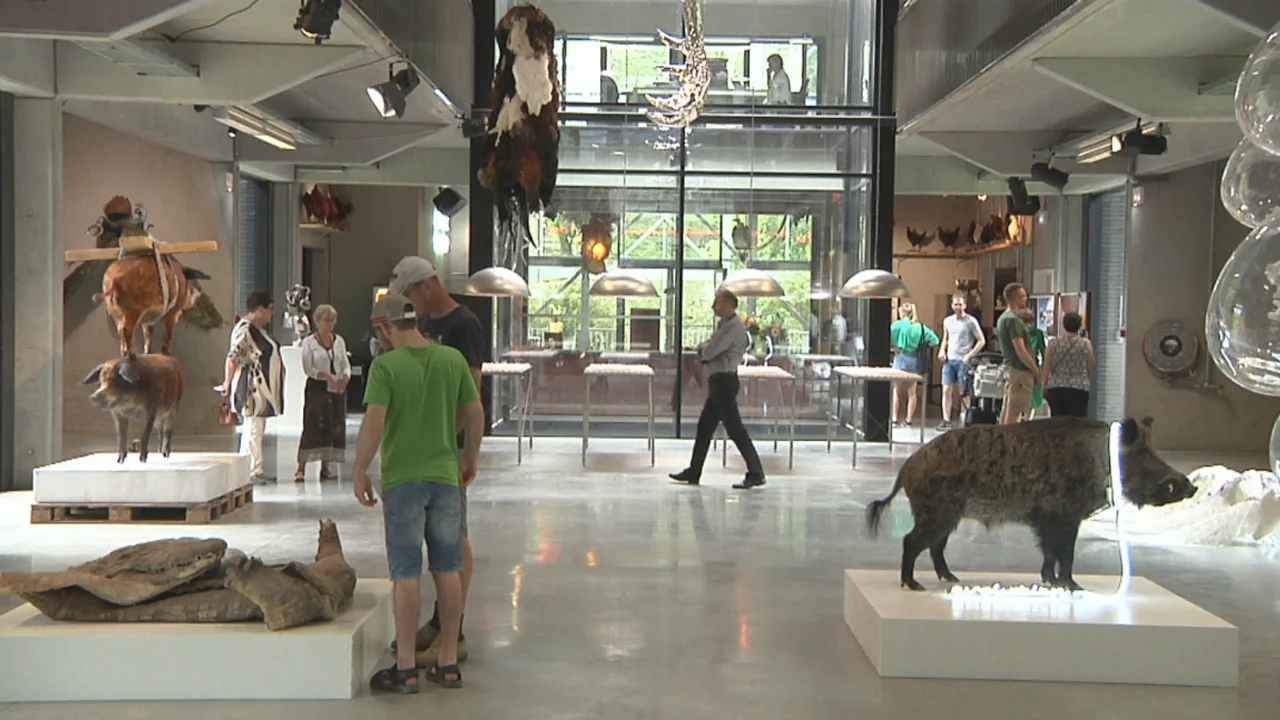
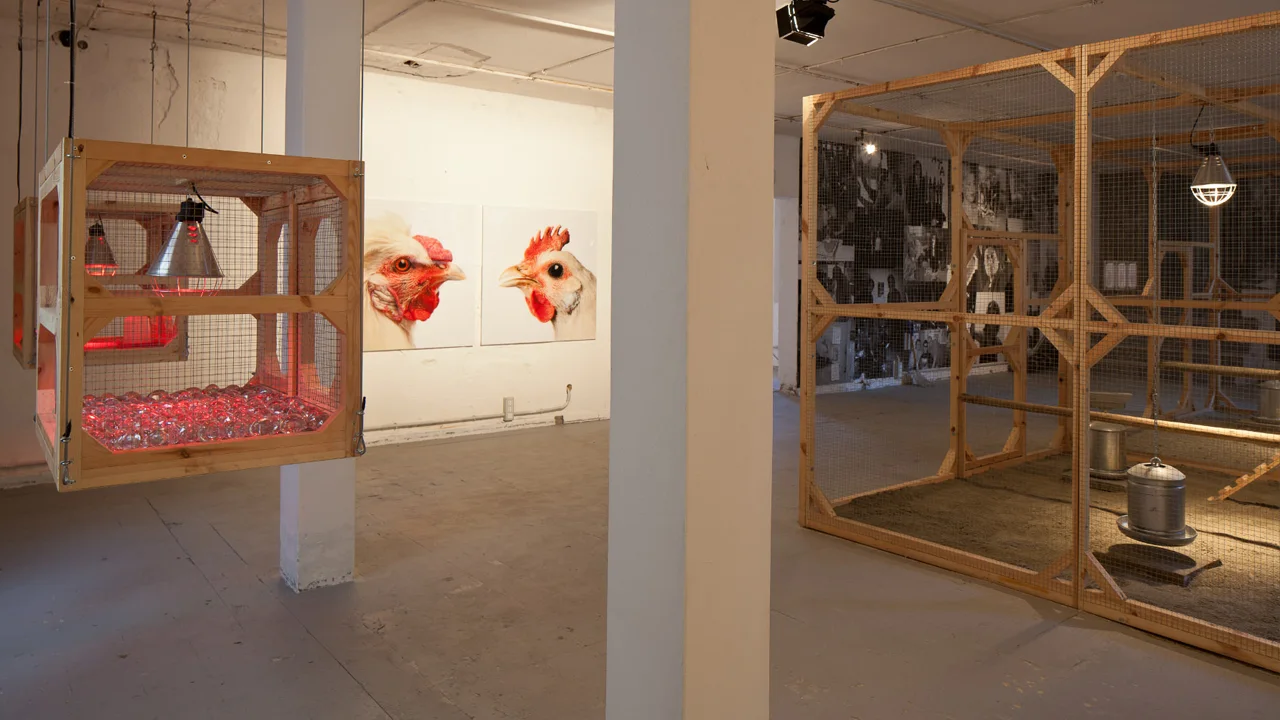
Details from the artistic environment.
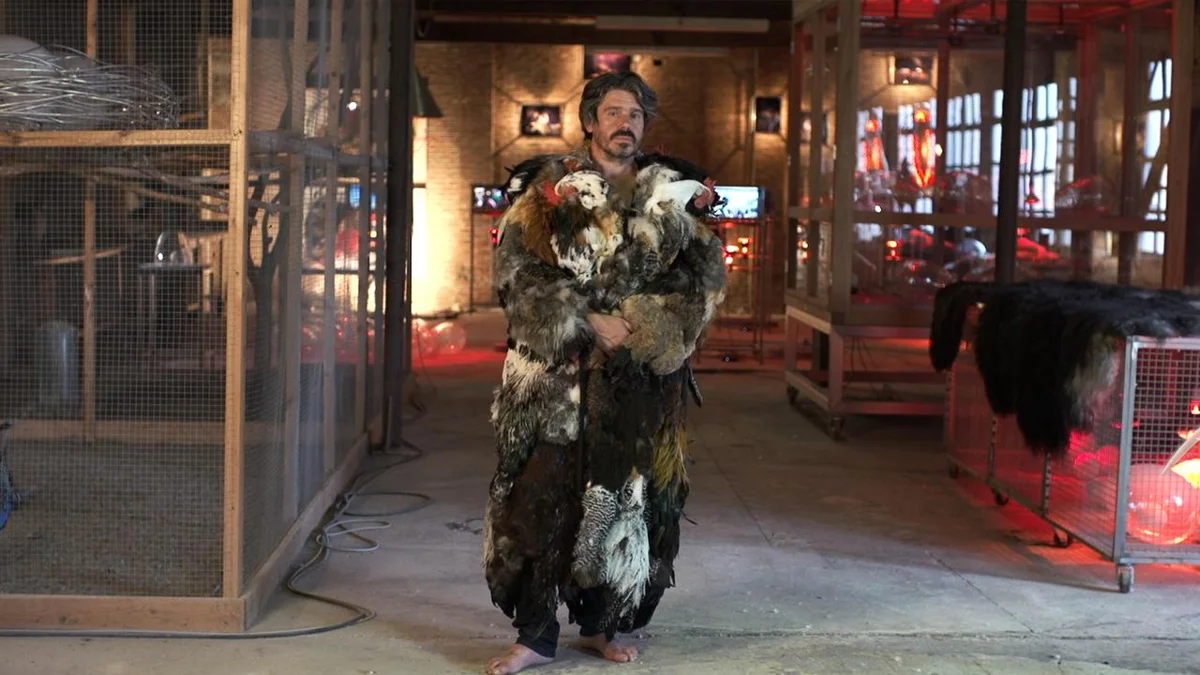
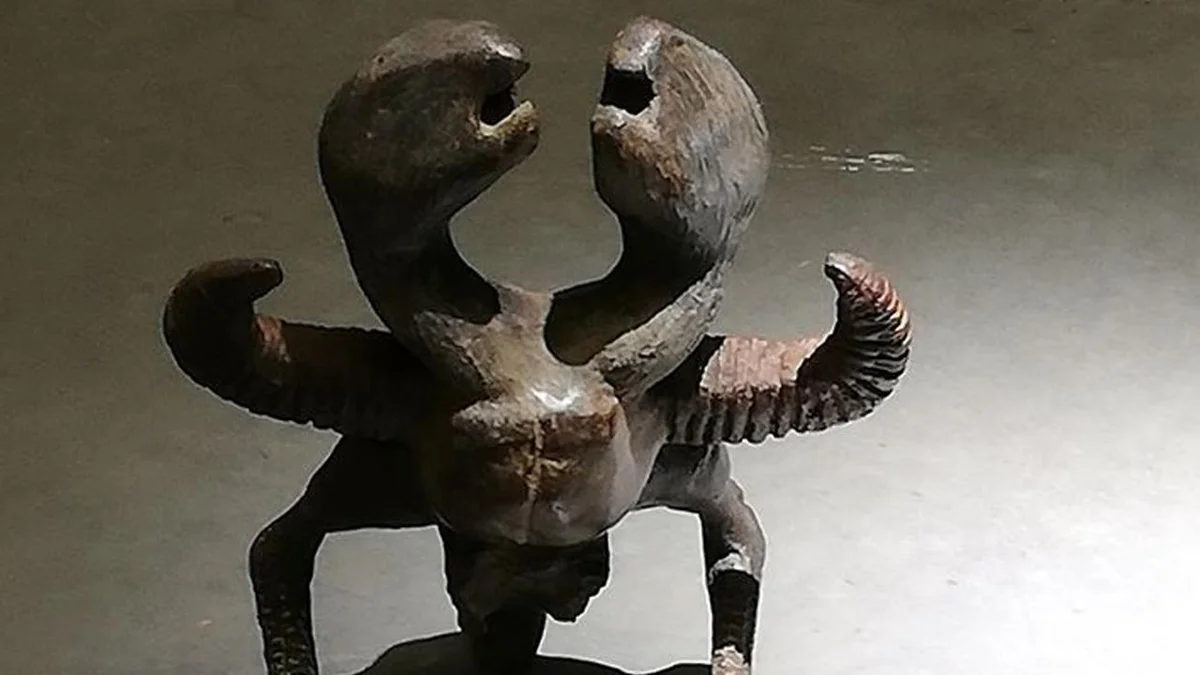
A body of work that travels across borders
Koen Vanmechelen has presented his work almost everywhere in the world. In Belgium, he has been a guest at various museums and other locations, such as the Verbeke Foundation, Watou, Museum M and Z33. Furthermore, there have been solo and group exhibitions at, among others, the National Gallery London, Victoria and Albert Museum (London), Museum Kunstpalast (Düsseldorf), Muziekgebouw aan ’t IJ (Amsterdam), Macro (Rome), MAD Museum (NY), Belvedere (Vienna), ZKM (Karlsruhe) and Pushkin Museum (Moscow).
Besides the Venice Biennale, his work has also been exhibited at those of Moscow, Dakar, Havana, and Poznan, at the World Expo Shanghai 2010, the Guangzhou Triennale, Manifesta 9, and at dOCUMENTA (13).
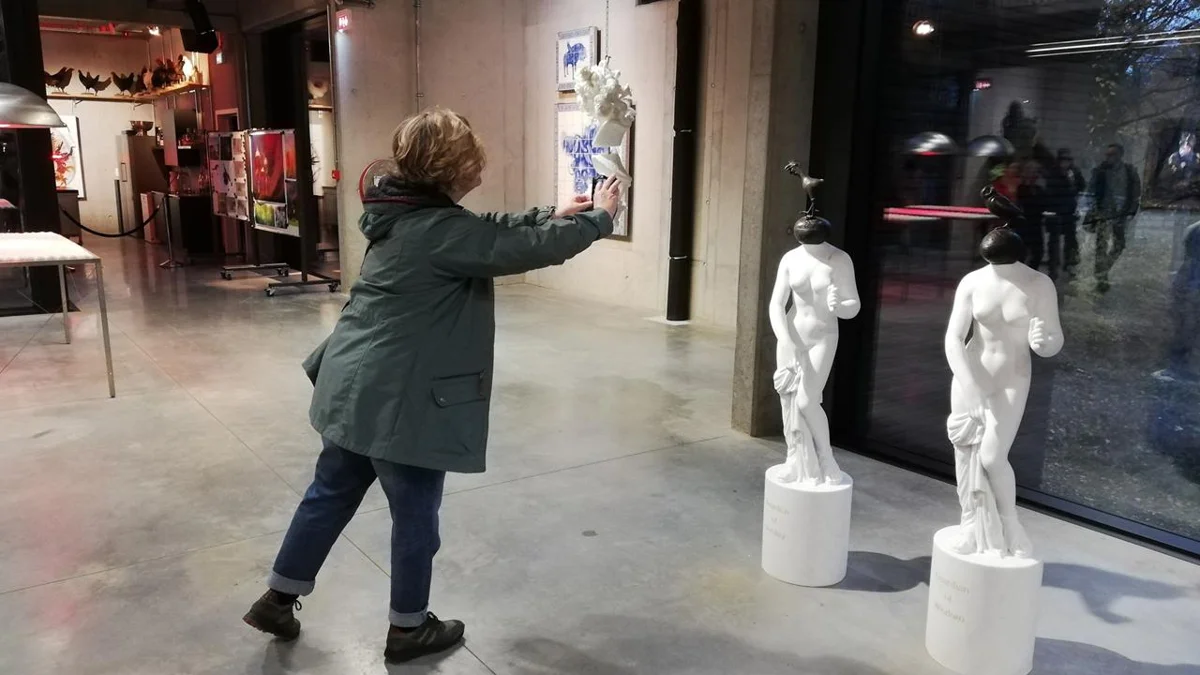
The floor and the space in view.
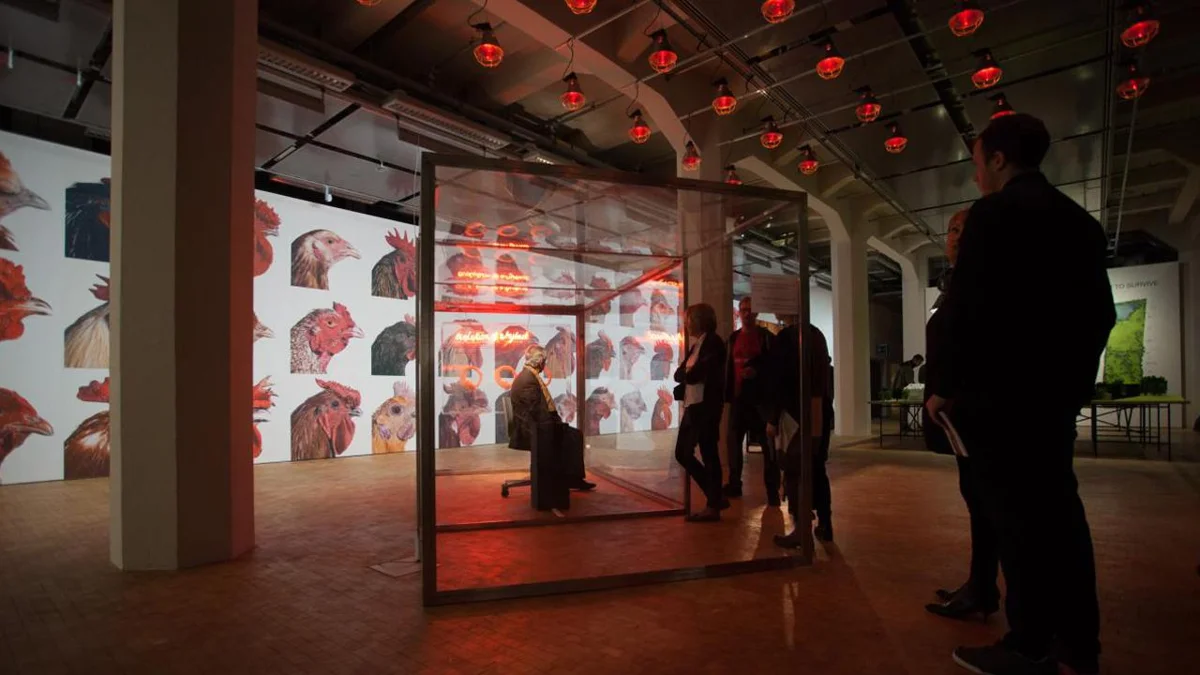
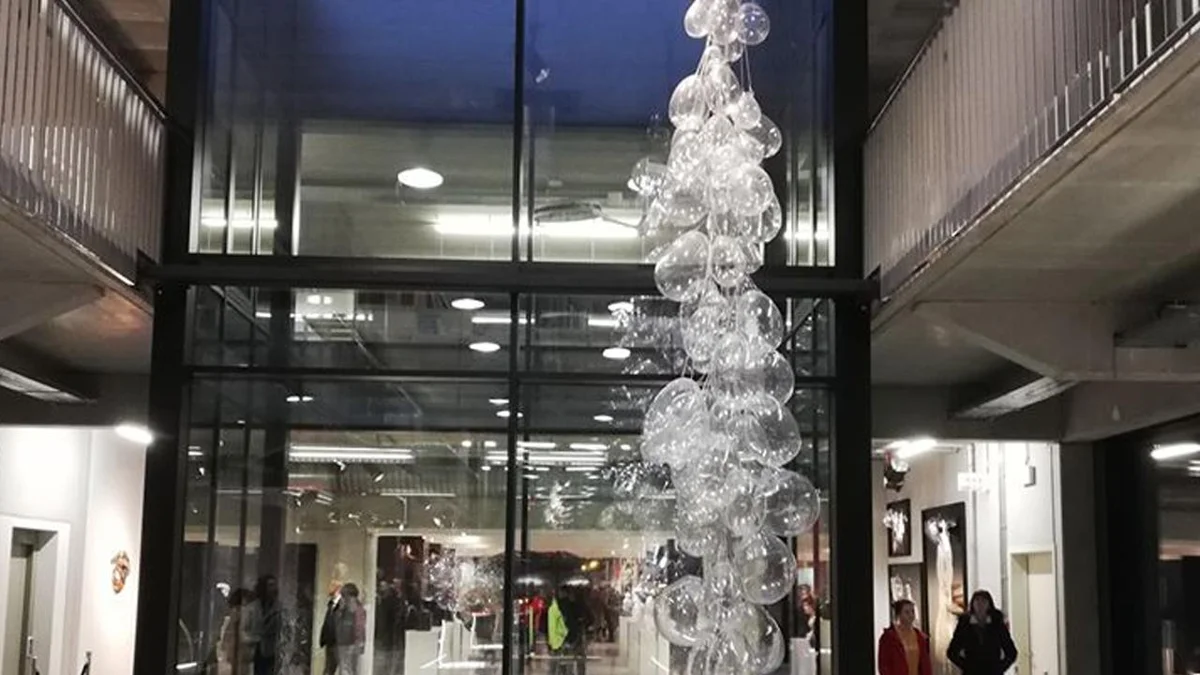
Recognisable details of LABIOMISTA

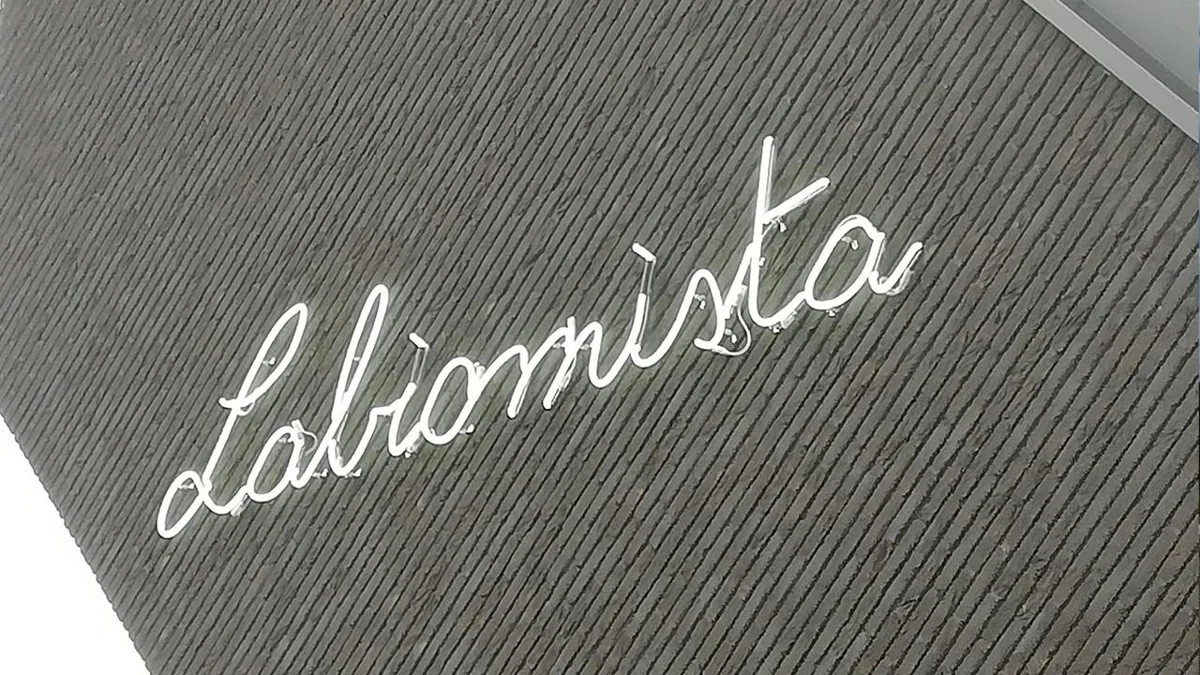
What do the project photos of the concrete floors show?
The photos provide an insight into the polished concrete floors that Glansbeton carried out at LABIOMISTA. You can see the floor beneath artworks and installations, but also by the glass sections and in the views between spaces. The daylight reveals the variations in the surface. As a result, the same concrete floor can appear lighter in one photo than in another.
For those who want to have a polished concrete floor installed themselves, such images are useful. They show the material on the scale of an entire space, in conjunction with architecture and interior design. After all, you do not choose a floor separately from the rest of the building: the light incidence, the colour of the walls, and the use of the space all influence how the final result is experienced.
Polished concrete for a private construction project
LABIOMISTA shows how a concrete floor can integrate into a building with a pronounced character. In a house or a commercial space, we also start from the concrete plans. Where will passages be, which other floors will connect, and how will the space be used? That information helps to discuss the execution thoroughly in advance.
A reference project provides inspiration but is not a standard construction that can be adopted everywhere without adjustment. Therefore, send us the plans and the surface area of your project. Then we can link the desired appearance to the practical preparation of the floor.
View the visitor information for LABIOMISTA
What do you want to achieve yourself?
Send us your plans, surface area and desired timing. Or call us at 013 55 33 62We are happy to discuss which execution suits your project.
Polished concrete floors at LABIOMISTA in Genk