A coffee stain in the kitchen requires a different approach than oil in a workshop. The correct floor protection therefore starts with the use of the space and the finish already present on the concrete floor.
What do you want to protect?
Is the main concern moisture and stains, dust formation, wear or contact with specific products? This distinction determines which system is appropriate. No treatment makes a concrete floor resistant to everything. Even after treatment, timely cleaning and appropriate maintenance remain necessary.
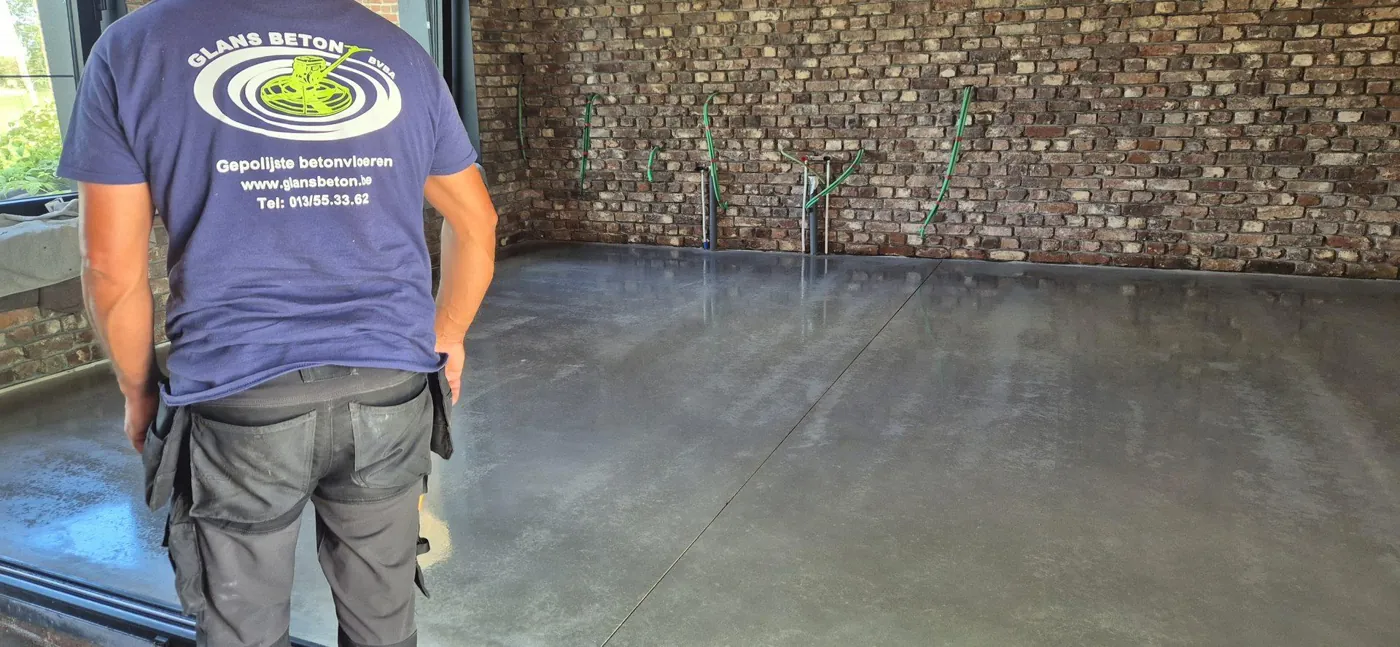
Impregnation: treatment in the surface
An impregnation penetrates the concrete surface. Depending on the product, it can, for example, reduce the absorption of water or oil. This is not the same as a guarantee against every stain, acid or scratch. The product must be suitable for the type of concrete and the intended use.
Impregnating a concrete floor: preparation, drying and maintenance
A new floor and an existing floor do not automatically require the same preparation. For new concrete, the substrate must meet the requirements of the impregnation agent. For an existing floor, we also consider dirt, signs of use and previous treatments. Therefore, indicate in advance whether the floor has already been waxed, coated or treated with another protective product.
Before impregnation
Have the condition of the floor assessed and agree on the necessary cleaning or preparation. The required moisture content and suitable conditions are specified in the product information. The number of days since pouring alone is insufficient to determine whether the floor is ready for treatment.
After impregnation
Ask separately when the floor may be walked on, when furniture can be put back, and when wet cleaning is allowed. A surface that feels dry is not necessarily fully load-bearing yet. Therefore, plan the treatment before moving or other work and respect the agreed waiting times.
How do you maintain an impregnated concrete floor?
Regularly remove sand and loose dirt and promptly clean up spilled liquids. Use a cleaner suitable for the applied protection, in the prescribed dosage. Adding more product does not automatically improve cleaning. Seek advice before using a strong degreaser, abrasive, or new maintenance product.
Keep the name of the impregnation product used and the maintenance advice with your home's records. This helps with later cleaning or re-treatment: the next contractor will then know which system is present. Also discuss any local wear or stains before applying an additional layer yourself.
Impregnate yourself or have it done?
Applying it yourself is only possible with a product suitable for that purpose and clear instructions for your floor. First have a test area assessed and check preparation, consumption and drying time. If you have the work carried out by others, agree in advance what is included and what conditions apply for use and maintenance. Read more about having a concrete floor impregnated.
Sealing: first know which product is meant
The term sealer is used for various systems. Some products leave a film; others are also described as impregnation. Therefore, ask about the specific properties: does it change the gloss or colour, how should you clean it, and when is maintenance needed?
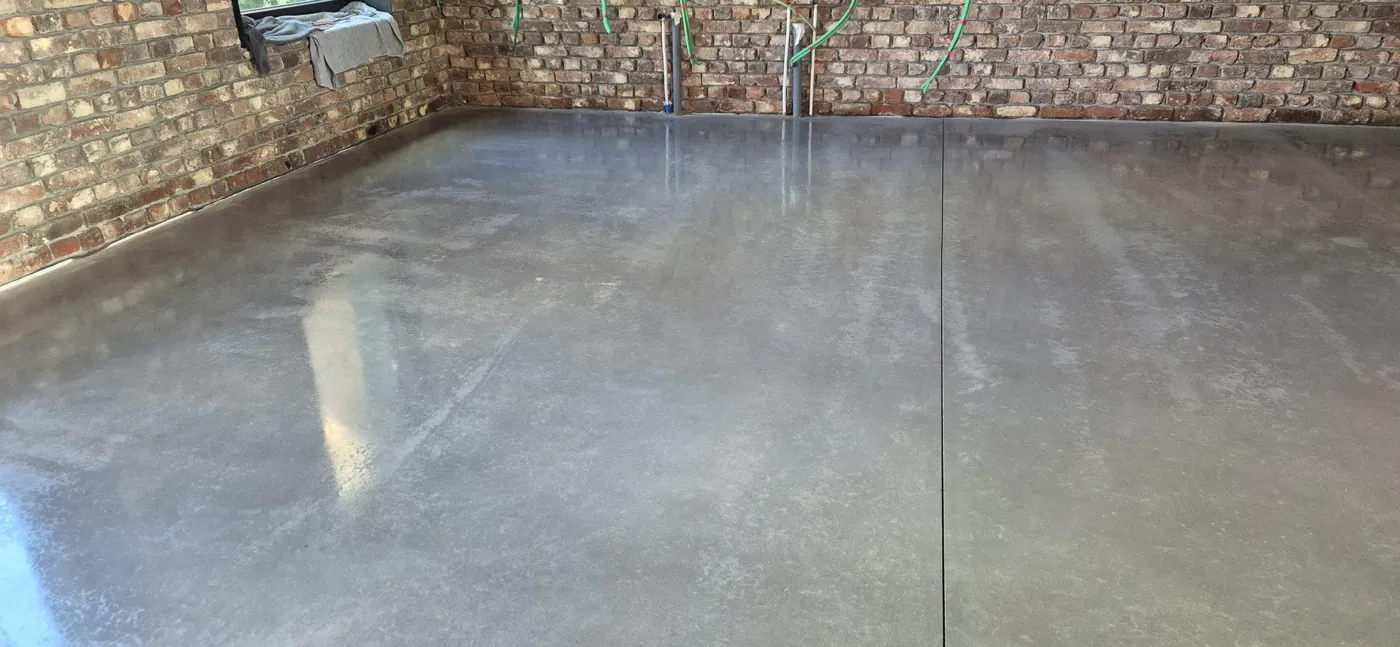
When does a coating come into consideration?
A coating forms a separate finishing layer. This can suit specific usage requirements or a desired different appearance. The preparation of the substrate and the suitability of the entire system are decisive. The choice follows from the load and maintenance, not just from the product name.
Epoxy or polyurethane on a concrete floor?
Epoxy and polyurethane are different resin families. They can be part of a coating or a multilayer floor system. The name alone does not indicate how thick, elastic, colourfast or load-bearing the final floor will be. Compare the full construction and the intended use.
Epoxy: consider load and resistance
There are epoxy systems with high mechanical and chemical resistance. The loads they can withstand are specified in the product and system information. Therefore, a suitable product for a garage is not automatically suitable for every workshop or chemical exposure.
Polyurethane: comfort can also count
With polyurethane, there are elastic floor systems aimed at walking comfort and reduction of impact sound. These performances depend on the chosen build-up. A thin PU top layer is not the same as a complete comfort floor system.
Are epoxy and PU always UV-resistant?
No. The reaction to sunlight depends on the product. Various epoxy products can discolour, whereas there are PU systems and finishing layers with higher UV stability. For a room with a lot of daylight, have confirmed what colour stability you can expect from the entire system.
Choosing a floor in RAL colours
Coloured resin floors are available in a variety of shades, depending on the range. An RAL number helps to discuss the colour, but a screen is not a reliable colour sample. Assess a real sample or test panel under the lighting of the space. Gloss level and surface texture also influence how you perceive the colour.
Those who want to preserve the natural pattern of the concrete look for a different finish than those who want an opaque, coloured resin layer. Discuss this difference before choosing a product. Also check the requirements for moisture content, preparation and any existing layers on the concrete floor.
Examples of product-dependent properties: Sika on an epoxy coating and discoloration caused by sunlight and an elastic PU comfort flooring system.
Protecting your concrete floor during further construction works
A protective treatment does not replace agreements with other tradespeople on site. Painting work, installing a kitchen and moving equipment can take place after the concrete floor has already been finished. Discuss in advance how the floor will be protected during these activities.
Covering at the right moment
Ask the installer when the floor may be covered and which covering material suits the floor and the applied treatment. Take into account the drying and concrete curing conditions. Do not simply cover a young floor for a long time with random cardboard or foil.
Check the protection during the works. Displaced material, moisture and dirt under the covering can unevenly affect the surface. Agree on who will inspect the floor and when the material will be removed.
No adhesive tape on the exposed concrete
Do not allow professionals to stick adhesive tape directly onto the finished concrete floor. Adhesive residues or damage upon removal may remain visible. Agree in advance on how the protective material will be secured without stressing the floor surface.
Report spilled products immediately. Indicate which product it was and do not use solvents or aggressive cleaners on your own initiative to remove it.
Protection during construction work is a different matter than concrete curing immediately after execution. For daily use, read our explanation about cleaning and maintaining a concrete floor.
Why first a test area?
An existing floor may have previously been waxed, treated or finished with concrete curing. First have it assessed what is present and what preparation is necessary. With a test patch you can observe the effect on colour and gloss before treating the entire floor.
When should you re-treat?
That depends on the product, use and maintenance. A fixed promise of five, ten or twenty years is of little value without that context. Rather agree on a maintenance plan and have the floor assessed when the protection noticeably changes.
See our approach for concrete floor impregnation and concrete floor polishing, or read the project in Kozen. An example of product-specific protection is described in the technical information from Sika; this is not a general product choice for every floor.
Waxing or polishing a concrete floor
Waxing is a possible way to care for a residential concrete floor and influence its appearance. A suitable product can help protect against certain contamination and can deepen the gloss or colour. The choice depends on the use and the protection already present.
Wax is not the same as an impregnation and does not automatically suit every other treatment. Therefore, first ask which product was used on the floor. A new layer on an unsuitable or insufficiently cleaned substrate can produce an uneven result.
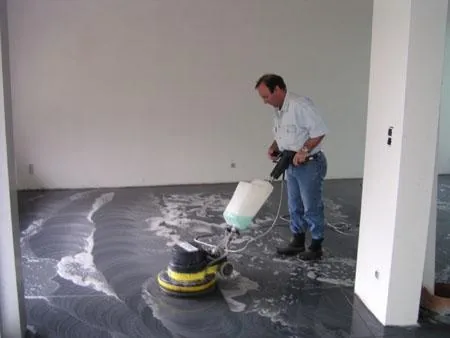
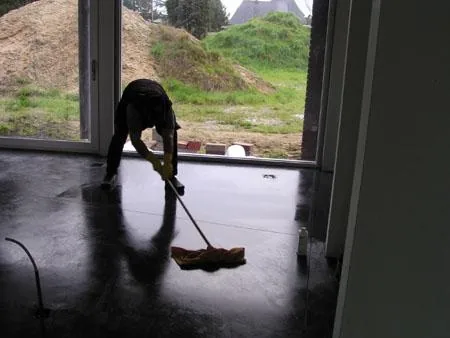
How does waxing proceed?
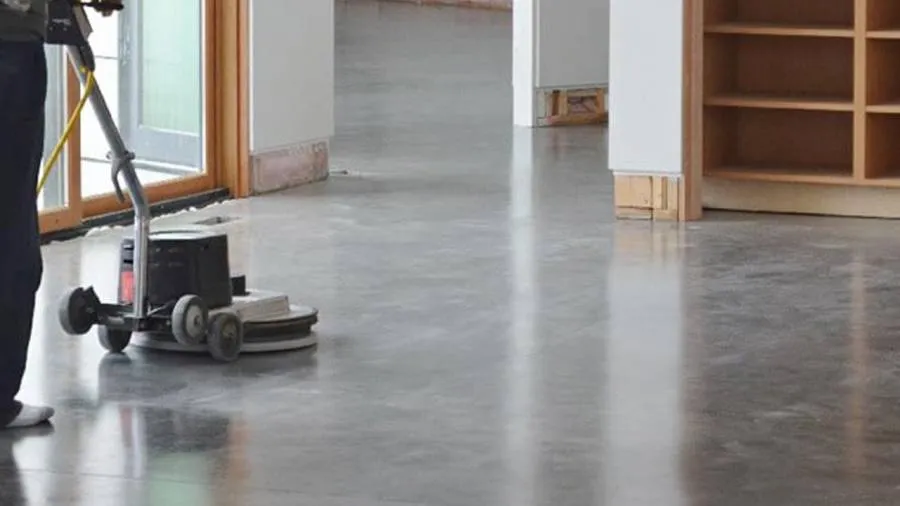
We start with an assessment and appropriate cleaning. Residues that hinder the new treatment must be removed according to the product instructions. Then the floor is given the required drying time. The wax is applied as prescribed and, if the product requires it, buffed after sufficient drying.
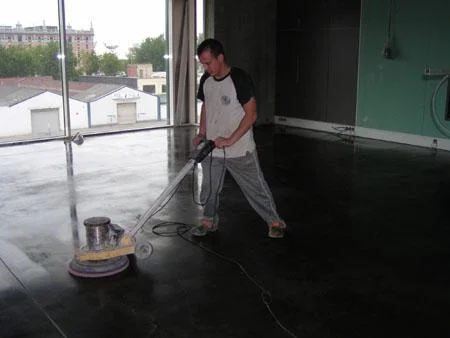
A single-disc machine can be used for cleaning or polishing, but the correct pad, speed and method vary per product and floor. An aggressive pad or incorrect cleaning agent can alter the surface. Therefore, it is wise to first assess a small test patch.
Can you wax a concrete floor yourself?
That is possible with a suitable system and the right instructions. Make sure you know what is already on the floor and follow the guidelines for preparation, quantity, drying and commissioning. The treatment must be regularly assessed; repetition is based on use and wear, not according to a fixed term for every home.
A waxed surface also requires maintenance. Remove sand and loose dirt, clean up spilled liquids promptly, and choose a cleaner that matches the wax layer. Also read our explanation about cleaning a concrete floorIf you mainly want a different tint, then read colouring a concrete floor afterwards.
Video: a white concrete floor after waxing
Even with a white concrete floor, the protective treatment plays a role in the appearance. In our video White concrete floor waxed you can see a practical example. Discuss which product is suitable for your floor and how to maintain the treatment afterwards.
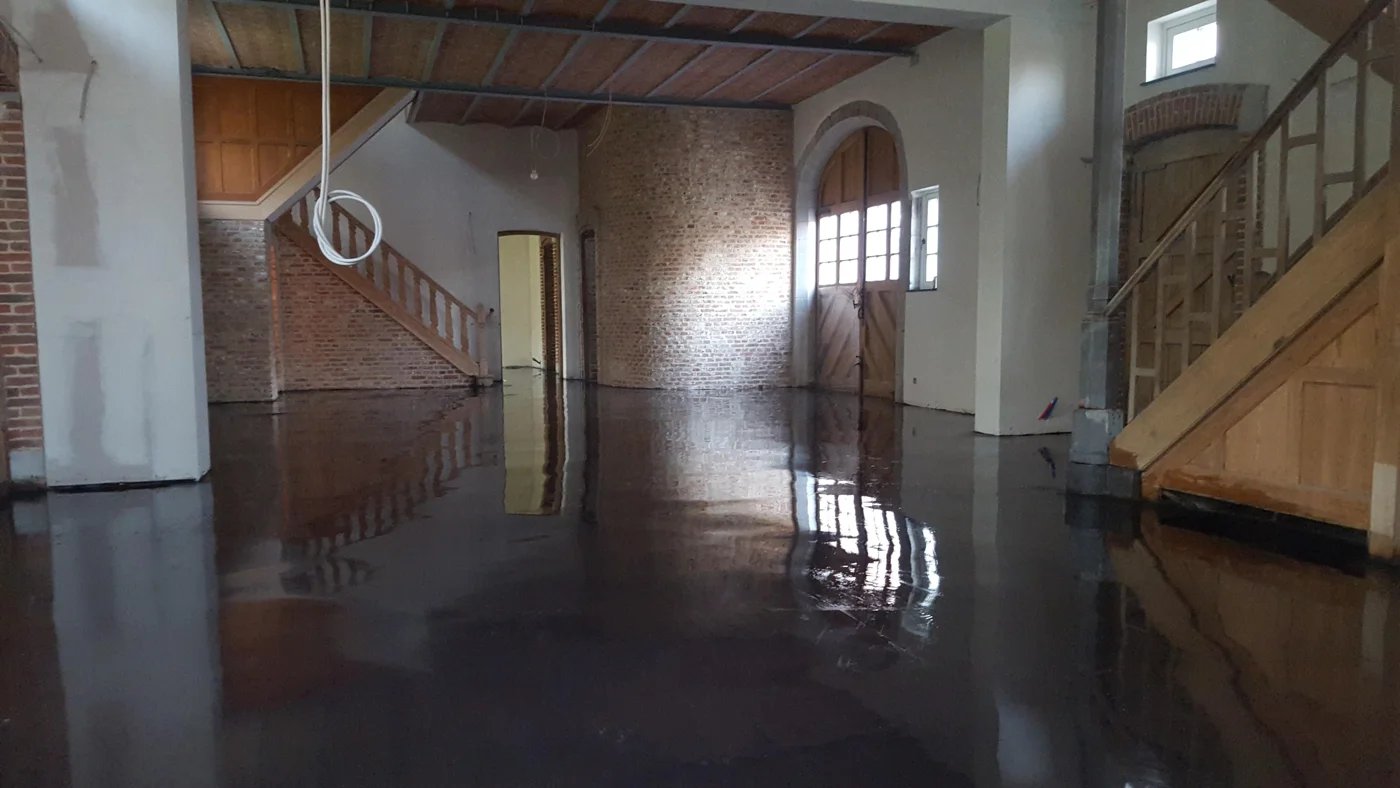
From practice: an anthracite concrete floor in a loft
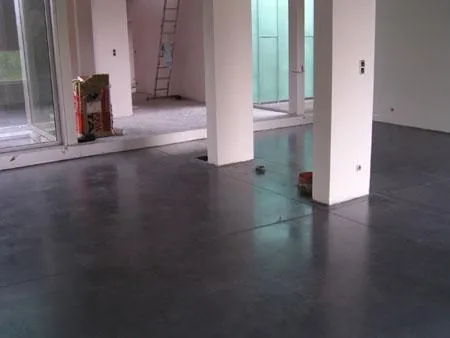
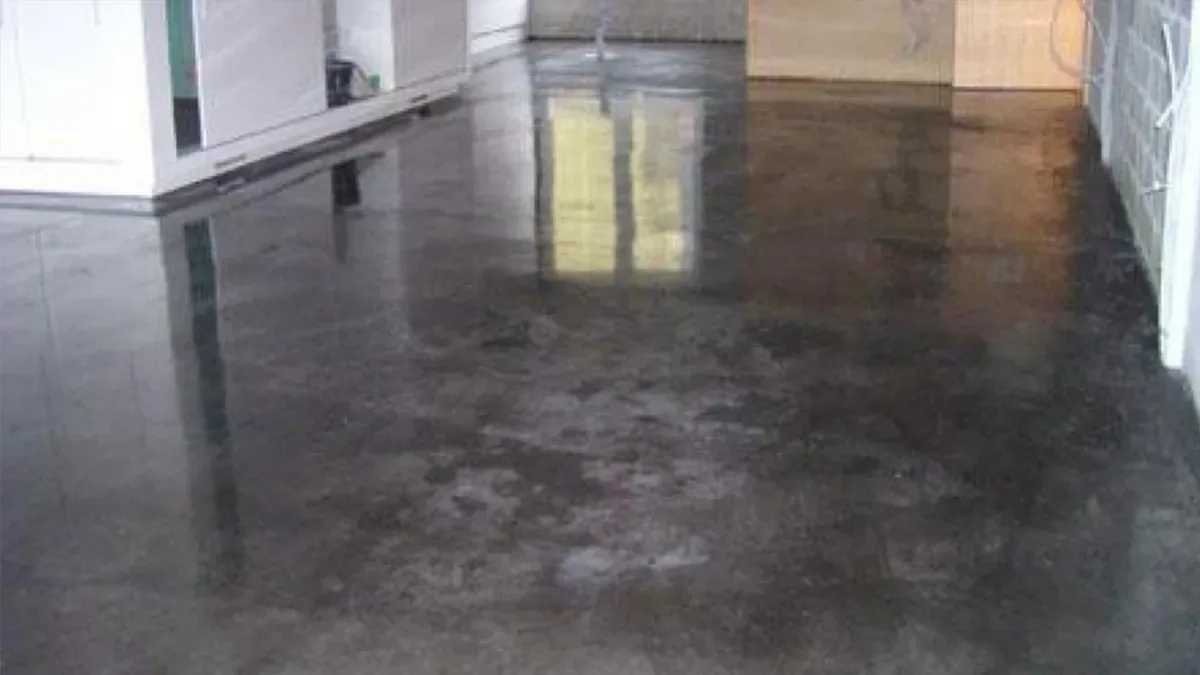
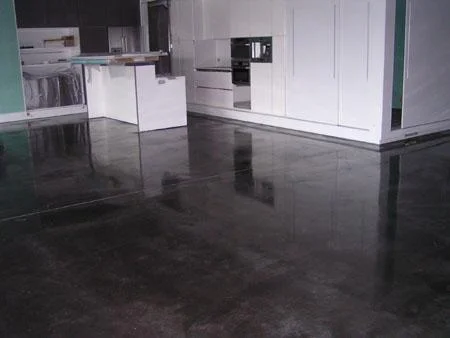
In this loft, the dark concrete floor received a protective treatment. In the original project description, we especially focused on the kitchen: oil and fats can end up on the floor there. The images were taken during the treatment, while the floor still needed to dry.
First know the existing system
A new treatment is tailored to what is already on the floor. Wax, oil-based maintenance products and impregnations are not interchangeable. One product must not simply be applied on top of another.
A test patch makes the effect visible
Discuss the desired gloss and colour deepening in advance. Assess a test area after the required drying time. This way you can weigh the appearance before the entire floor is treated.
The lesson from this project is practical: choose protection based on the use of the space and the applied flooring system. A shiny surface in a photo alone does not say enough about resistance to water, oil or daily wear.
Making concrete waterproof or protecting it to be water-repellent?
These terms are often used interchangeably. A water-repellent treatment helps reduce the absorption of water at the surface. It does not automatically make a concrete floor a watertight structure. Cracks, joints, connections and water pressure require a different assessment.
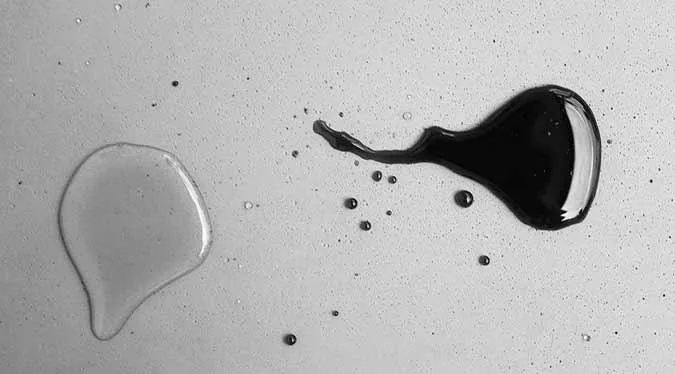
A water droplet on the floor is not a waterproofness test
Beading shows an effect on the surface. It does not prove that a basement, swimming pool or floor construction is resistant to water pressure or that water cannot penetrate through a joint.
Which protection suits which problem?
For spilled drinks or superficial dirt, suitable floor protection can be useful. In case of leakage, rising damp or penetrating water, the cause must first be investigated. Applying only an impregnation product does not automatically address the underlying problem.
Water and oil repellency are different properties. Choose the product based on the liquids the floor will come into contact with. A product intended for mineral facades is not automatically the right treatment for a residential floor or garage that is walked on.
The duration of protection depends on the product, preparation, load and maintenance. A general promise that impregnation is permanent and never needs to be repeated is therefore not appropriate. Have the performance and maintenance advice matched to the system used.
See our approach for concrete impregnation. As a technical background, describes Sika on how water-repellent impregnations work: this treatment focuses on limiting water absorption by the porous surface.
Concrete and water absorption illustrated
Water on a test area: the visible difference in wetting is a demonstration, not a guarantee that an entire floor is waterproof.
Discuss your concrete floor
Send your plans, photos and questions. We will consider which execution suits your project.
Contact Glansbeton
Protecting a concrete floor: impregnation, sealer or coating?