In concrete coloured throughout, pigments are added to the concrete during mixing. The colour is therefore in the material itself and is not a subsequently applied paint layer. The final appearance also depends on the cement, the composition and the finish. Colour variations remain possible.
This technique is applied for both interior floors and exterior driveways, where appearance and durability are central. Concrete coloured throughout is often used for driveways, terraces and polished concrete floors.
More information about coloured concrete?
What is concrete coloured throughout?
In concrete coloured throughout, the pigment is distributed through the fresh mix. This differs from a coloured broadcast layer worked into the surface. Through-and-through colouring does not mean that every visible part of the floor has exactly the same shade or gloss.
Unlike coatings or paint:
- the pigment is in the concrete mass
- the appearance also depends on execution, protection and use
- natural nuances in the finish are possible
Which colouring method is suitable depends on the design, the substrate and the use.
Which colours are possible in concrete?
Concrete coloured throughout is available in various shades, depending on the pigment and cement type used.
The most common colours are:
- grey and anthracite concrete
- beige and sand-coloured concrete
- reddish-brown and terracotta shades
- black concrete
Discuss which shades are achievable with the chosen concrete and pigment. A photo or colour chart helps with the initial choice; a representative test panel provides more guidance for the final floor appearance.

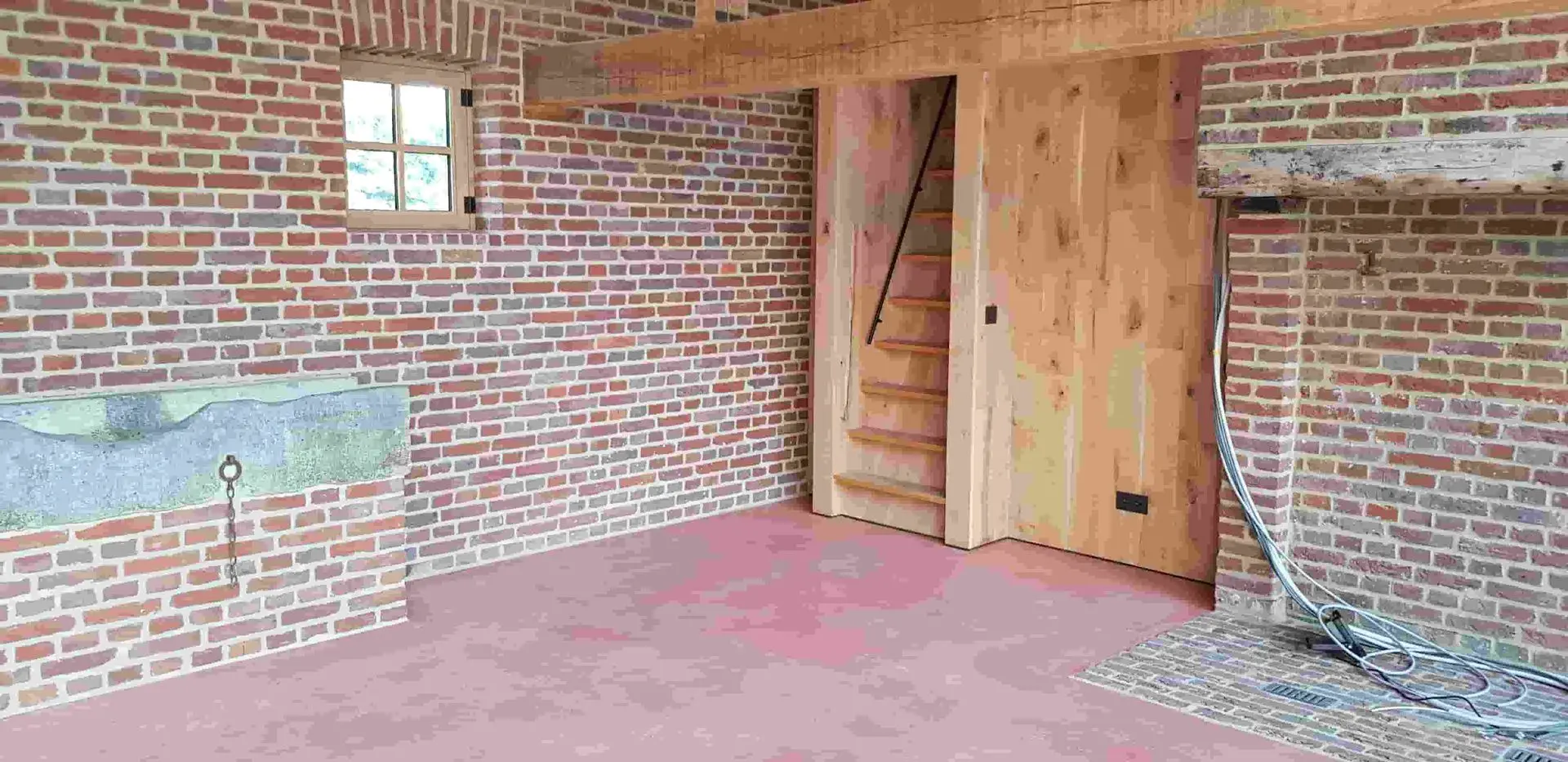
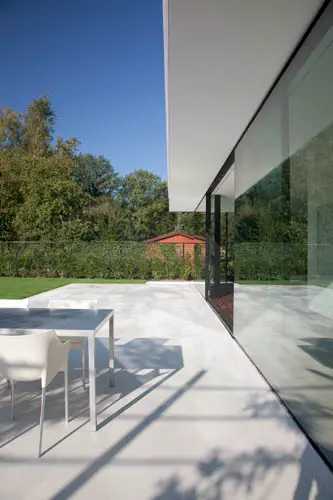

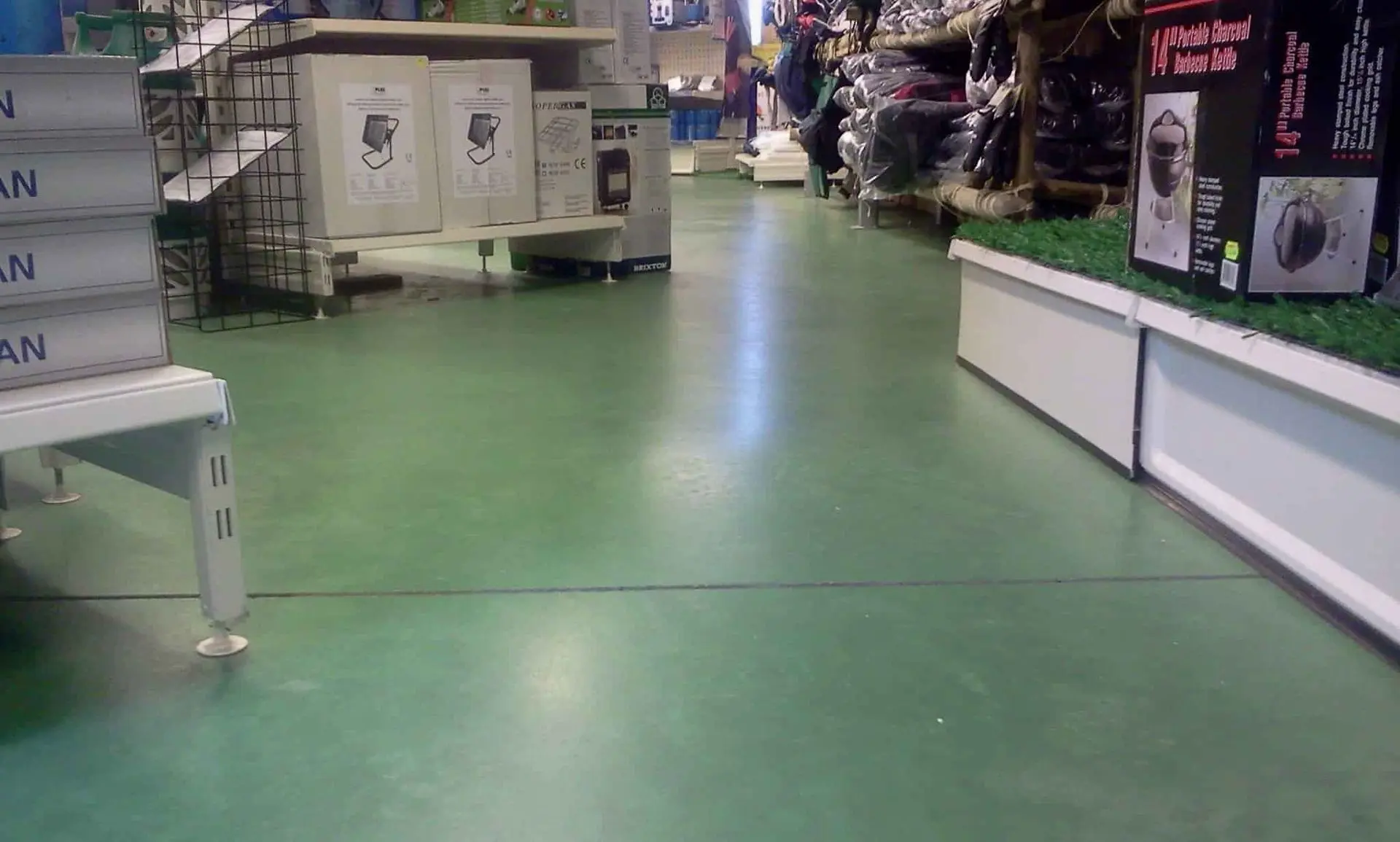
Applications of coloured concrete
Concrete coloured throughout is used in various applications:
- driveways and access roads
- terraces and outdoor floors
- polished concrete floors indoors
- industrial floors with added aesthetic value
Colour throughout the concrete does not automatically make a floor stain-free or resistant to every type of load. Match concrete, finishing and protection to the intended use.

Is every colour possible in concrete?
Which colours are achievable depends on the chosen pigment and concrete mix. Suitability for concrete and product properties are decisive; a bright shade is not in itself proof of a less durable colour. Discuss the desired shade with the supplier and contractor and assess a sample panel.
Ensure colour charts and samples correspond to the actual proposed system. The available colour palette varies per product.
The best results are achieved with:
- shades of grey
- earth tones
- natural pigment colours
View colours in completed projects
View Tone, colour choice for polished concrete and the project with white pigment. Discuss a representative test panel via our service for polished concrete floors.
Integral colouring, a broadcast layer or colouring afterwards?
These methods are sometimes used interchangeably, but they intervene at different stages of execution. Therefore, specify in your enquiry whether concrete still needs to be poured or if the floor already exists.
| Method | Where does the colour come from? | When to discuss? |
|---|---|---|
| Pigment throughout the mix | The pigment is distributed through the fresh concrete mix. | Before ordering and pouring, together with the concrete mix design. |
| Coloured broadcast layer | A suitable wear layer mix is worked into the fresh surface. | When choosing the floor finish before polishing. |
| Post-colouring | A treatment or finishing system on an existing concrete floor. | After assessment of the substrate, existing protection and the desired result. |
A coloured broadcast layer is worked into the top layer while the concrete is still plastic. This is not the same as distributing pigment throughout the entire mix. Read more about coloured wear layers and the Neodur colour chart and colouring concrete afterwards.
What do you specify for a coloured concrete floor?
Provide the desired colour direction, application, surface and plans. Indicate whether the floor is indoors or outdoors, the expected finish, and whether adjacent areas will be executed in different phases. Record how the colour is chosen and assessed. Simply naming “sand colour” or “anthracite” does not yet describe a fully agreed result.
Sand-coloured concrete for a driveway or access path
A warm sand tone gives exterior concrete a different character than cement grey or anthracite. In these site photos, you see concrete at a garage and an access path between white façades. When choosing your colour, also consider the facing brick, thresholds and the gravel or garden next to it: that environment partly determines how you experience the floor.
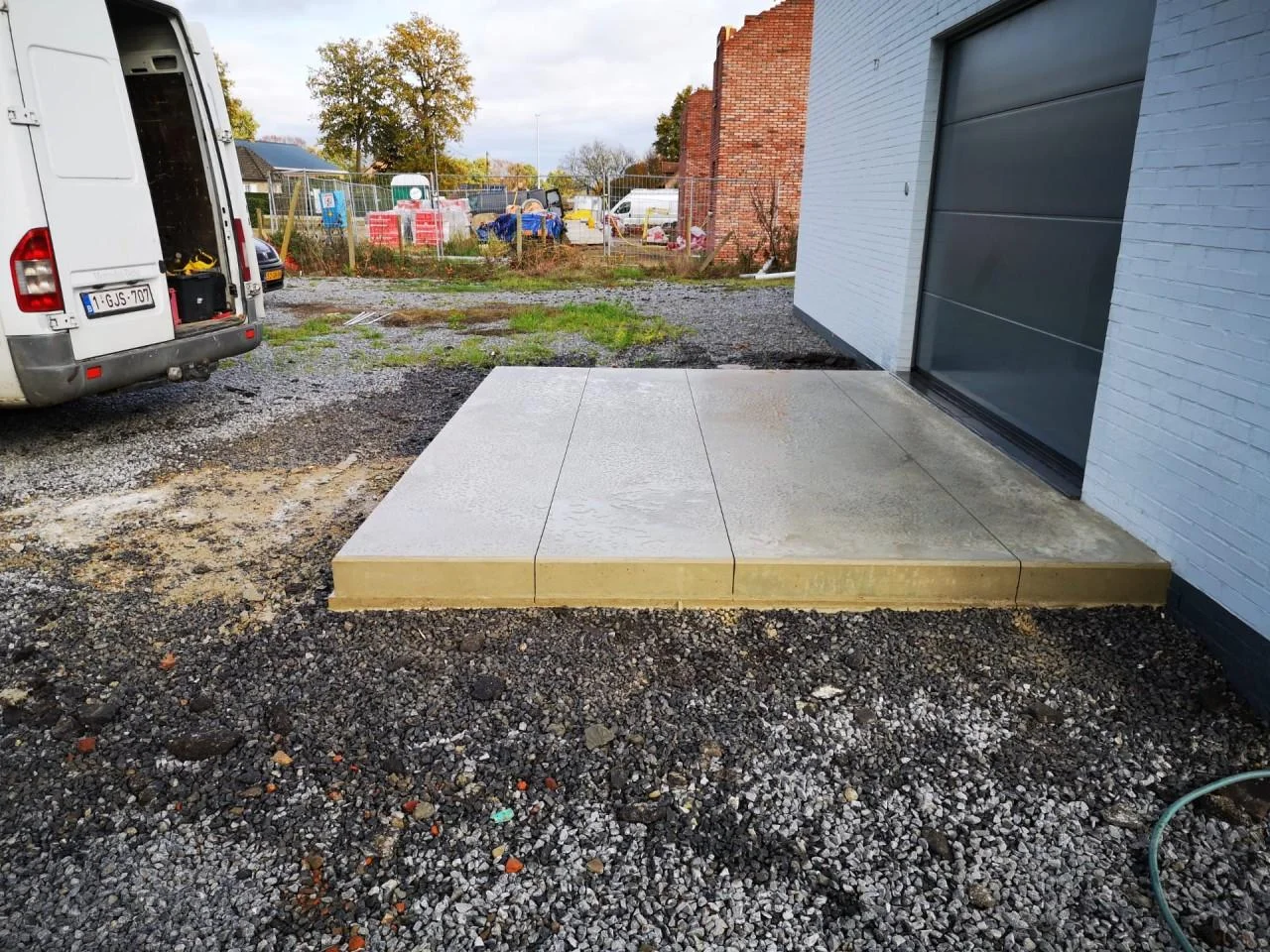
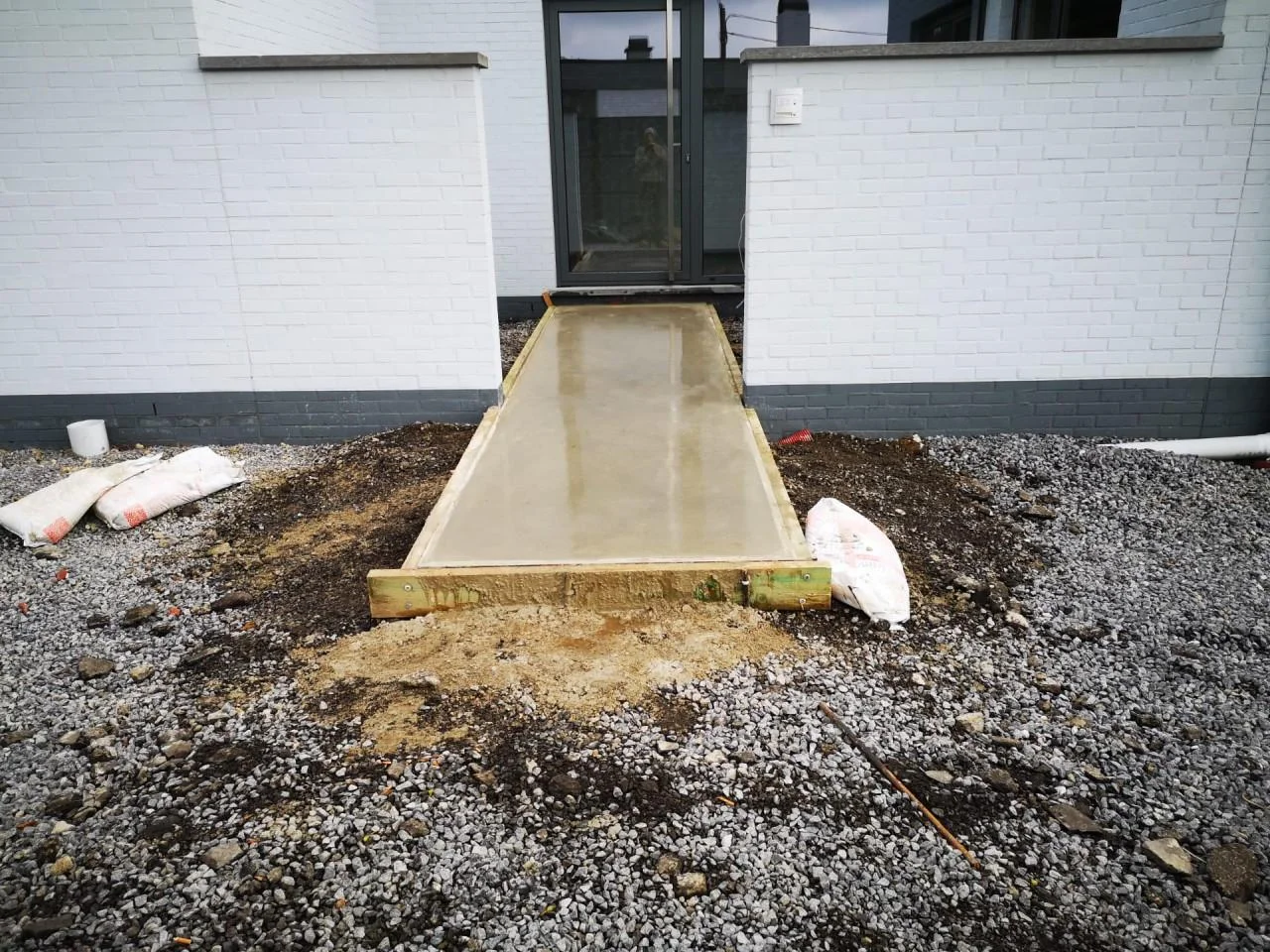
The images show a colour impression, not a concrete recipe. The exact pigment type, dosage and colouring method cannot be derived from them. If you want a similar shade, agree the desired colour with the contractor and discuss a representative test panel. Assess this in daylight and next to the materials to which the floor will connect.
Discuss colour and finish together
A colour choice does not replace the design of the exterior floor. For a driveway, vehicles, the substrate, drainage, joints and the desired surface texture also matter. A visually identical colour also does not mean that two floors have the same technical structure. Read more about installing a driveway in polished concrete or compare with exposed aggregate concrete.
Is it a floor that is already in place? Then adding pigment to fresh concrete is no longer an option. For that, see the explanation about colouring a concrete floor afterwards.
Polished concrete coloured throughout